
-
What Kind of Worms Does Fenbendazole Kill?
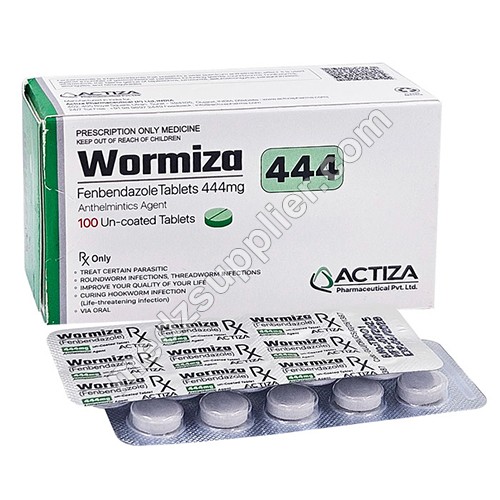
<b style=”font-family: inherit; font-size: inherit;”>Fenbendazole 444Mg is a broad-spectrum anthelmintic medication commonly used in veterinary medicine to treat certain intestinal worm infections in animals, particularly dogs, cats, and livestock. It belongs to the benzimidazole class of medicines and works by disrupting essential processes inside parasites, preventing them from absorbing nutrients and surviving. It is effective against several types of gastrointestinal worms.
1. Roundworms
Fenbendazole is commonly used to treat certain roundworm infections, including Toxocara canis and Toxascaris leonina in dogs. These parasites live in the intestines and can cause vomiting, diarrhoea, poor growth, and a swollen abdomen.
2. Hookworms
Certain hookworm species, including Ancylostoma caninum and Uncinaria stenocephala, are susceptible to fenbendazole. Hookworms attach to the intestinal lining and feed on blood, potentially causing anaemia, weakness, and digestive problems.
3. Whipworms
Fenbendazole is also used to treat whipworm infections, particularly those caused by Trichuris vulpis in dogs. These worms live in the large intestine and may cause chronic diarrhoea, weight loss, and intestinal irritation.
4. Certain Tapeworms
Fenbendazole has activity against some tapeworm species, including Taenia species. However, it is not effective against all tapeworms. For example, praziquantel is commonly preferred for treating infections caused by Dipylidium caninum.
5. Certain Lungworms
Depending on the animal species and parasite, fenbendazole may also be prescribed for certain lungworm infections. Veterinary guidance is important because treatment requirements vary.
How Does Fenbendazole Kill Worms?
Fenbendazole works by interfering with tubulin, a protein that parasites need to maintain their cellular structure and absorb glucose. This disrupts their energy production, eventually causing susceptible worms to die.
Conclusion
Fenbendazole treats several important parasitic infections, including roundworms, hookworms, whipworms, and certain tapeworms. However, its effectiveness depends on the parasite species, animal, and treatment regimen. Always consult a veterinarian for an accurate diagnosis and appropriate dosage rather than choosing treatment based only on symptoms.
medzsupplier.com
Fenbendazole 444 Mg | Uses, Benefits, Dosage and Side Effects
Fenbendazole 444 Mg is primarily used to treat various parasitic infections in animals, including roundworms, hookworms, whipworms, and tapeworms.
Sorry, there were no replies found.